
Bringing a puppy into the home is an exciting experience that comes with many new responsibilities. Among these, grooming is often misunderstood or delayed because puppies are small, energetic, and seemingly clean. However, early grooming plays an important role in a puppy’s overall health, comfort, and development. Understanding what grooming involves and why it matters can help new pet owners build healthy routines from the very beginning.
In growing communities like Riverview, many first-time dog owners seek reliable information about Puppy Grooming Riverview practices, including what services are appropriate for young dogs and when grooming should begin. Puppy grooming is not simply about appearance; it supports hygiene, skin health, and positive behavioral development when introduced thoughtfully.
Why Puppy Grooming Is Different From Adult Dog Grooming
Puppies have unique physical and emotional needs that set them apart from adult dogs. Their skin is more sensitive, their coats are still developing, and their tolerance for unfamiliar experiences is limited. Grooming a puppy requires gentler techniques, shorter sessions, and careful handling to ensure the experience is stress-free.
Unlike adult grooming, puppy grooming often focuses more on familiarization than full styling. Early sessions typically introduce basic tasks such as brushing, gentle bathing, nail touching, and exposure to grooming tools. This gradual approach helps puppies become comfortable with being handled and reduces anxiety later in life.
The Right Age to Start Grooming a Puppy
Most veterinarians and pet care professionals recommend introducing grooming between 8 and 12 weeks of age, depending on the puppy’s health and vaccination status. At this stage, puppies are more adaptable and open to new experiences. Even if full grooming services are not performed, brief and positive introductions to grooming activities can be highly beneficial. Waiting too long to begin grooming may result in fear or resistance, especially if a puppy encounters grooming tools for the first time as an adult. Early exposure helps normalize the process and encourages cooperative behavior as the dog grows.
Core Grooming Practices for Puppies
Puppy grooming includes several essential practices that contribute to both cleanliness and comfort. Each task should be performed with patience and appropriate tools designed for young dogs.
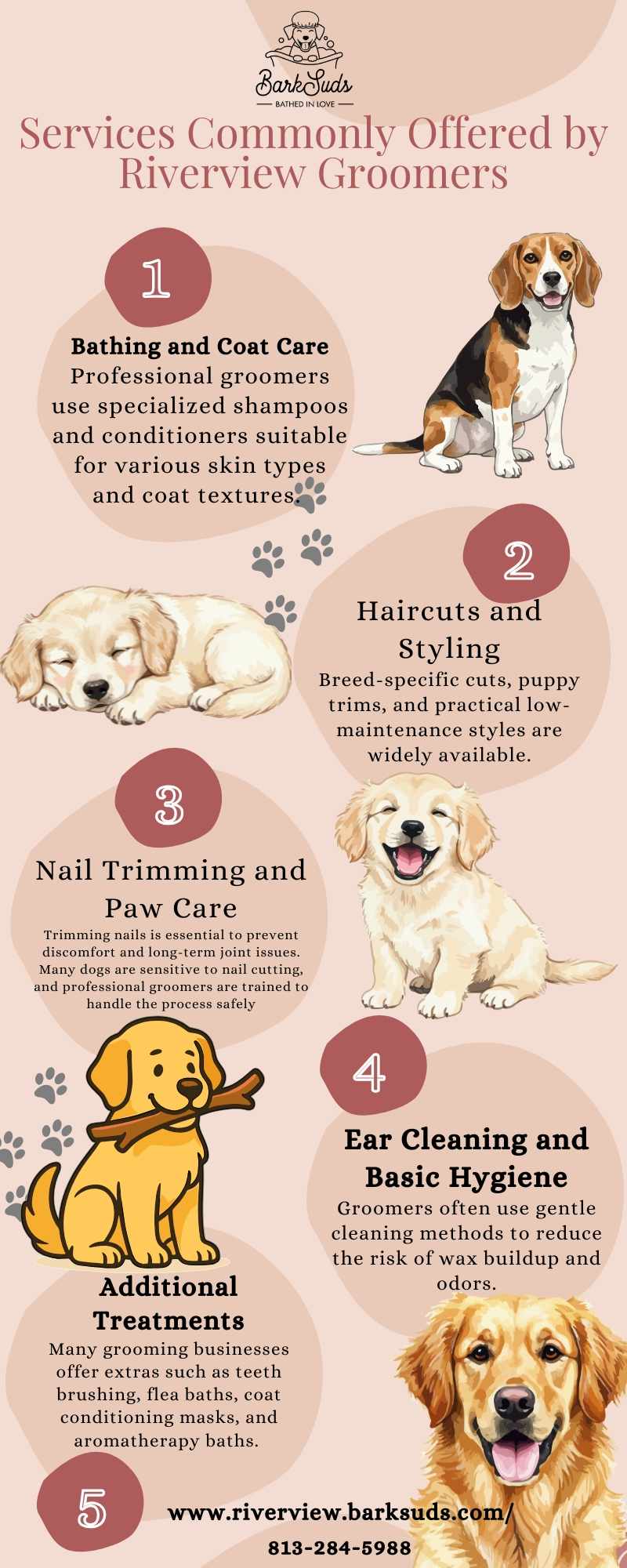
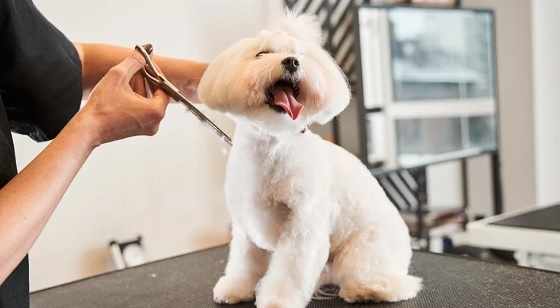
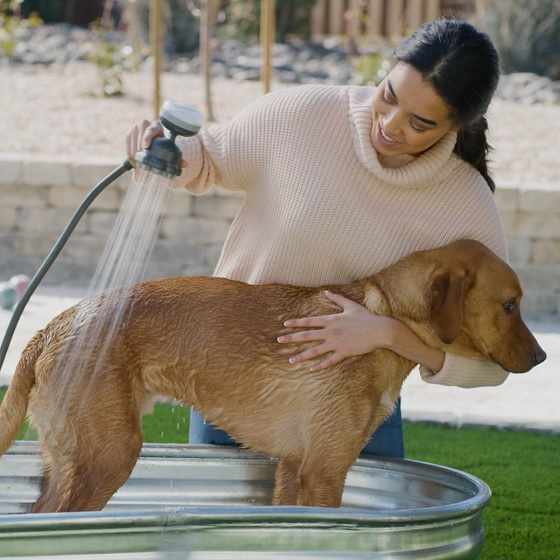
Brushing helps remove loose fur, prevents tangles, and stimulates healthy skin. Bathing should be limited and done using mild, puppy-safe shampoos to avoid drying the skin. Nail trimming is important for proper paw development, while ear and eye checks help prevent infections. Even short grooming sessions can support physical health while reinforcing trust between the puppy and the handler.
Coat Types and Grooming Frequency
Different breeds and mixed-breed puppies have varying coat types that influence grooming needs. Short-haired puppies may require less frequent brushing, while long-haired or curly-coated puppies need regular attention to prevent matting. Understanding coat type helps determine how often grooming should occur and which tools are most suitable. Establishing a routine early ensures that grooming remains manageable and comfortable as the puppy matures.
Behavioral Benefits of Early Grooming
Beyond hygiene, grooming plays a key role in behavioral development. Puppies that experience calm, positive grooming sessions are more likely to remain relaxed during veterinary visits and routine handling. Grooming helps puppies learn patience, body awareness, and tolerance for gentle restraint. Positive reinforcement, such as calm praise or brief breaks, can help puppies associate grooming with safety rather than stress. This foundation can significantly reduce grooming-related anxiety later in life.
Health Monitoring Through Grooming
Regular grooming provides opportunities to observe a puppy’s physical condition. During brushing or bathing, owners or groomers may notice skin irritation, parasites, unusual lumps, or changes in coat quality. Early detection of such issues allows for timely veterinary care. This routine observation makes grooming an important part of preventative health care, especially during a puppy’s rapid growth phase.
Safety Considerations for Puppy Grooming
Because puppies are delicate, safety is a key consideration during grooming. Tools should be appropriately sized, water temperature should be warm but not hot, and sessions should be kept short to avoid fatigue or distress. Supervision and calm handling are essential, particularly when introducing clippers, dryers, or nail trimmers. A slow and steady approach minimizes the risk of injury and builds confidence over time.
Common Grooming Mistakes to Avoid
New puppy owners sometimes assume grooming is optional or purely cosmetic. In reality, neglecting grooming can lead to discomfort, matting, and hygiene issues. Another common mistake is using adult dog products on puppies, which may irritate sensitive skin. Rushing the process or forcing a fearful puppy to endure a full grooming session can create lasting negative associations. Instead, grooming should be introduced gradually and adapted to the puppy’s comfort level.
Local Climate and Grooming Needs
Environmental factors can also influence grooming routines. In warmer, humid regions, puppies may require more frequent coat maintenance to stay comfortable and prevent skin problems. Regular brushing improves air circulation through the coat and helps manage shedding. Being mindful of seasonal changes allows owners to adjust grooming schedules and practices accordingly.
Preparing Puppies for Lifelong Grooming
The ultimate goal of early grooming is to prepare puppies for lifelong care. Puppies that learn grooming is a normal and safe experience are easier to manage as adults and less likely to resist handling. Whether grooming is done at home or with professional assistance, consistency and patience remain key. Over time, grooming becomes a routine part of a dog’s overall wellness plan.
Choosing Support When Needed
Some owners prefer professional assistance for early grooming, especially if they are unfamiliar with puppy-specific techniques. When seeking help with Puppy Grooming Riverview services, it is important to look for providers experienced in handling young dogs with care and patience. Clear communication about a puppy’s age, temperament, and health history helps ensure grooming sessions are appropriate and stress-free.
Long-Term Impact of Early Grooming Habits
Puppies that develop positive grooming habits early often experience better coat condition, healthier skin, and reduced anxiety throughout their lives. Grooming becomes not just a necessity, but a bonding activity that reinforces trust and comfort.
By viewing grooming as part of overall care rather than an occasional task, owners support both the physical and emotional well-being of their dogs. Puppy grooming is a foundational aspect of responsible pet ownership. It supports hygiene, health monitoring, and behavioral development while helping puppies adjust to handling and routine care. Understanding the unique needs of young dogs ensures grooming is safe, gentle, and effective.
🐾 Riverview Barksuds
📍 3145 US Highway 301, Riverview, FL 33578
📞 Mobile: 813-284-5988

Write a comment ...